
Donors want to feel confident their support is making a real difference. But trust is harder to earn when attention is short and skepticism is high. A nonprofit storytelling video can be one of the clearest ways to show impact in a way people actually believe.
The key is doing it without sounding like an ad. In this post, you will learn what makes storytelling feel real, what to include, and how to use video to strengthen donor trust in 2026.
Why donor trust is harder to earn in 2026
Donors are overwhelmed with causes, content, and constant asks. They want proof, clarity, and transparency before they give again.
Many donors are quietly asking:
- Where does the money go
- Who does this help
- What changed because of this work
- Can I trust this organization long term
A strong nonprofit storytelling video answers those questions quickly and shows the work instead of just describing it.
What makes a nonprofit storytelling video work
The best stories are specific and grounded. One clear story will do more than five vague messages.
A strong nonprofit storytelling video usually includes:
- The problem in plain terms
- The people affected
- What your organization did
- The result you can clearly describe
- What happens next
You do not need dramatic language or emotional pressure. You need clarity, real moments, and a message people can repeat after one watch.
How to create a nonprofit storytelling video step by step
You do not need actors, fancy locations, or a huge production budget. You need a simple plan and a story your team can capture honestly.
Step 1: Choose one story, not your entire mission
Start with one program, one outcome, or one moment.
Examples:
- A family receiving housing support
- A student completing a mentoring program
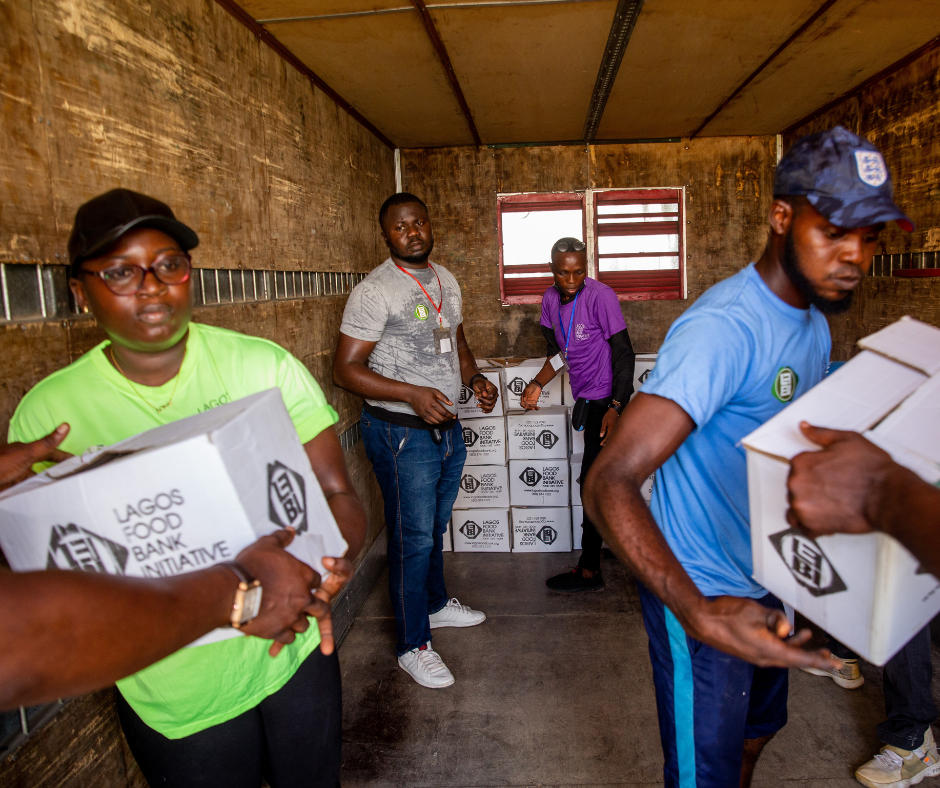
- A community food distribution day
- A volunteer group hitting a milestone
If you try to include everything your nonprofit does, the video will feel scattered.
Step 2: Use a simple story formula that always works
When you are stuck, use this structure:
Before: what life looked like
During: what support provided
After: what changed
Now: what is still needed
This works for:
- Youth programs
- Housing support
- Food access
- Medical assistance
- Education and mentoring
It is simple, clear, and easy for donors to follow.
Step 3: Film real moments that show the work
Trust is visual. People want to see real places, real effort, and real faces.
Capture:
- Your team in action
- The environment where services happen
- Volunteers helping
- Program moments, not staged moments
- Simple interviews with staff or community partners
If you include participants, always use consent and protect privacy where needed.
Step 4: Keep the message specific and measurable
You do not need statistics to make impact feel real. You need outcomes people can picture.
Instead of:
“We empower communities.”
Say:
“We helped families move into stable housing and connected them with support for the next six months.”
Instead of:
“We support youth.”
Say:
“We matched students with mentors and helped them build job readiness skills they can use this year.”
Step 5: Add one clear next step for donors
Do not end the video and hope people figure it out.
Choose one next step:
- Donate
- Become a monthly supporter
- Sponsor a program
- Volunteer
- Share the story
- Join your email list for updates
One story plus one next step is what builds momentum.
What to show on camera to build donor trust
Donors trust what they can see.
If you are planning your shoot list, focus on visuals that feel honest and unpolished in a good way:
- Your staff doing real work
- Community partners speaking about the impact
- Volunteers interacting naturally
- Small details that prove the story is real
- A simple thank you moment from leadership or a team member
The goal is not perfection. The goal is credibility.
Mistakes that make donors tune out
Even a good story can lose people if the video feels like a commercial.
Avoid these common issues:
- Too many messages in one video
- Generic statements without examples
- Overly scripted interviews
- Long intros before getting to the story
- Ending without a clear next step
If donors do not understand the impact quickly, they scroll.
Where to use nonprofit storytelling videos for the most value
A nonprofit storytelling video should not live in one place. It should work across fundraising, outreach, and retention.
Best places to use it:
- Donation landing pages
- Grant applications as a supporting asset
- Email campaigns and donor updates
- Social media pinned posts
- Event presentations
- Volunteer recruitment pages
You can also repurpose one story into smaller clips for social, email, and follow up messages so your team gets more value from one filming session.
A simple 30 day content plan that builds trust consistently
If you want to stay consistent without burning out, keep it simple.
Week 1: One impact story video
Week 2: One donor thank you message
Week 3: One behind the scenes program clip
Week 4: One volunteer spotlight
Small, steady content builds long term donor trust.
FAQ
Do we need professional actors or scripted lines
No. Real voices and real moments usually perform better than polished scripts. A simple outline helps, but it should still feel human.
How long should a nonprofit storytelling video be
Most should be 60 to 120 seconds. If the story is bigger, create a short series instead of one long video.
What if we cannot show the people we serve
You can still tell strong stories using staff interviews, partner quotes, anonymized details, and visuals of the work being done.
Next step
If you want help creating these videos and don’t want to take it on yourself, you can learn more about our services at hq22creatives.com.
We are an award winning video production company with a five star Google rating and over 55 reviews that helps nonprofit tell stories that raise funds, build trust, and show your impact.